For the thing you have to do today

Practical skills, without the clinical gloss

Every skill page uses the same four parts: before you start, the steps, what not to do, and when to call. Each card shows how many steps that skill takes. Open the one you are doing tonight and read the first and last parts first.

Start with the three that go wrong most: checking medicines, moving someone, and repositioning to check skin. Open the rest by what you are doing tonight, and read “before you start” and “when to call” first.

10 pages · Editorially reviewed · Sources cited · Not clinically reviewed · Updated Nov 2026 · Last checked: 2026-11-27

Which three skills should a new caregiver learn first?

These 10 cards put the tasks new caregivers get wrong most often first: Medication without mistakes (5 steps), Moving someone safely (5 steps), Bed care and pressure sores (5 steps). Do not read them in order. Open the one you are doing tonight and read its “before you start” and “when to call” sections first.
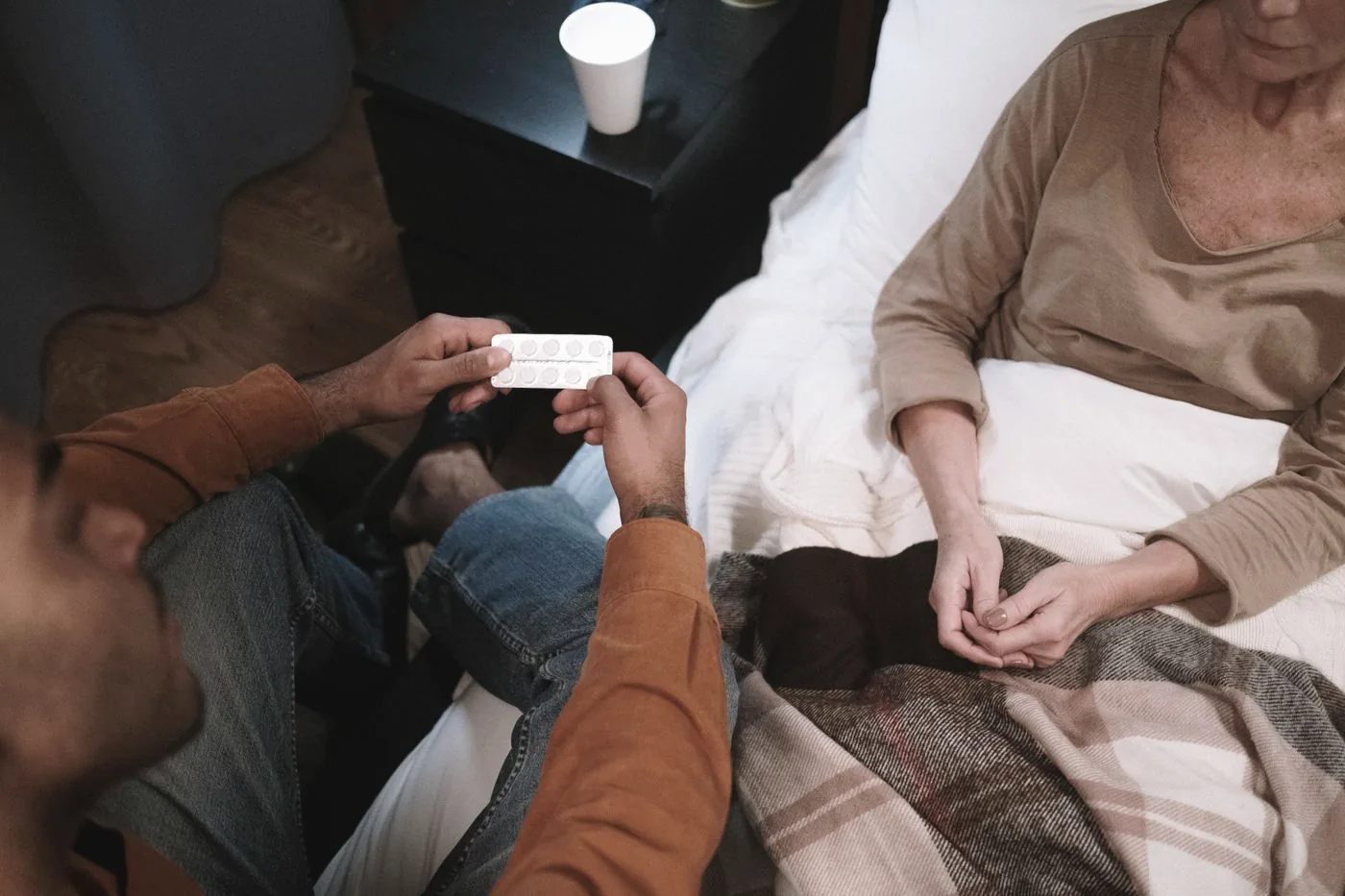
A caregiver sitting beside an older woman in bed, holding a medicine packet and talking.
Skill

Medication without mistakes

Most medication problems are system problems. Build one list, one routine, one place.
5 steps · Read more →
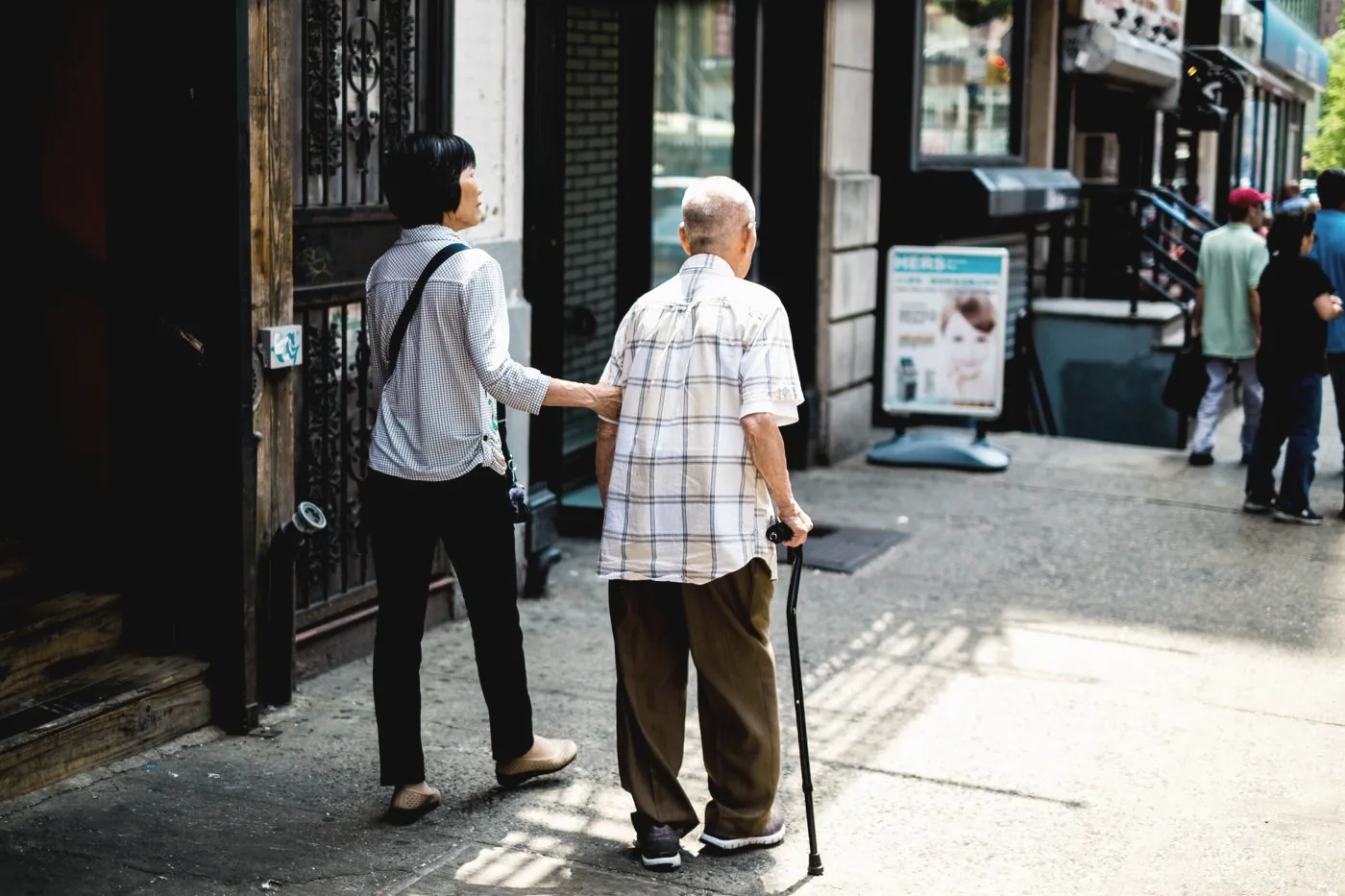
A younger person walking slowly beside an older man with a cane on a city street.
Skill

Moving someone safely

Most caregiving injuries happen during transfers. Protect your back and their dignity at the same time.

5 steps · Read more →
A caregiver leaning over a bed to adjust a blanket for an older woman.
Skill

Bed care and pressure sores

Pressure sores are easier to prevent than to treat. Check the skin, change position, keep it clean and dry.
5 steps · Read more →
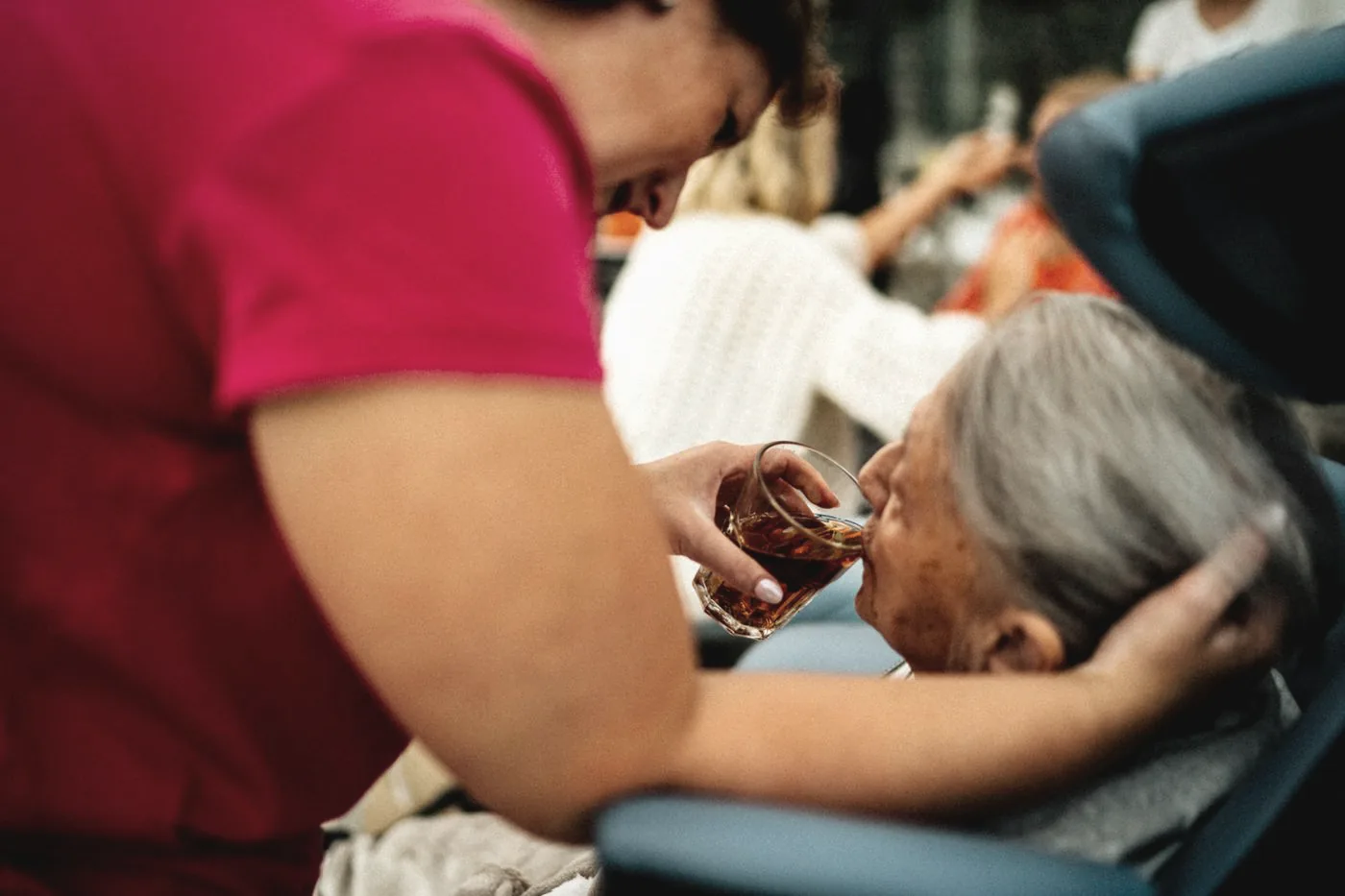
A caregiver offering a cup of tea to an older woman seated in a chair.
Skill

Eating and swallowing safely

Swallowing problems can cause choking and pneumonia. Do not change textures without an assessment.
5 steps · Read more →
White linen drying on a clothesline in the wind.
Skill

Incontinence and toileting

Incontinence is common, treatable and not a reason for shame. A plan beats a pile of pads.
5 steps · Read more →
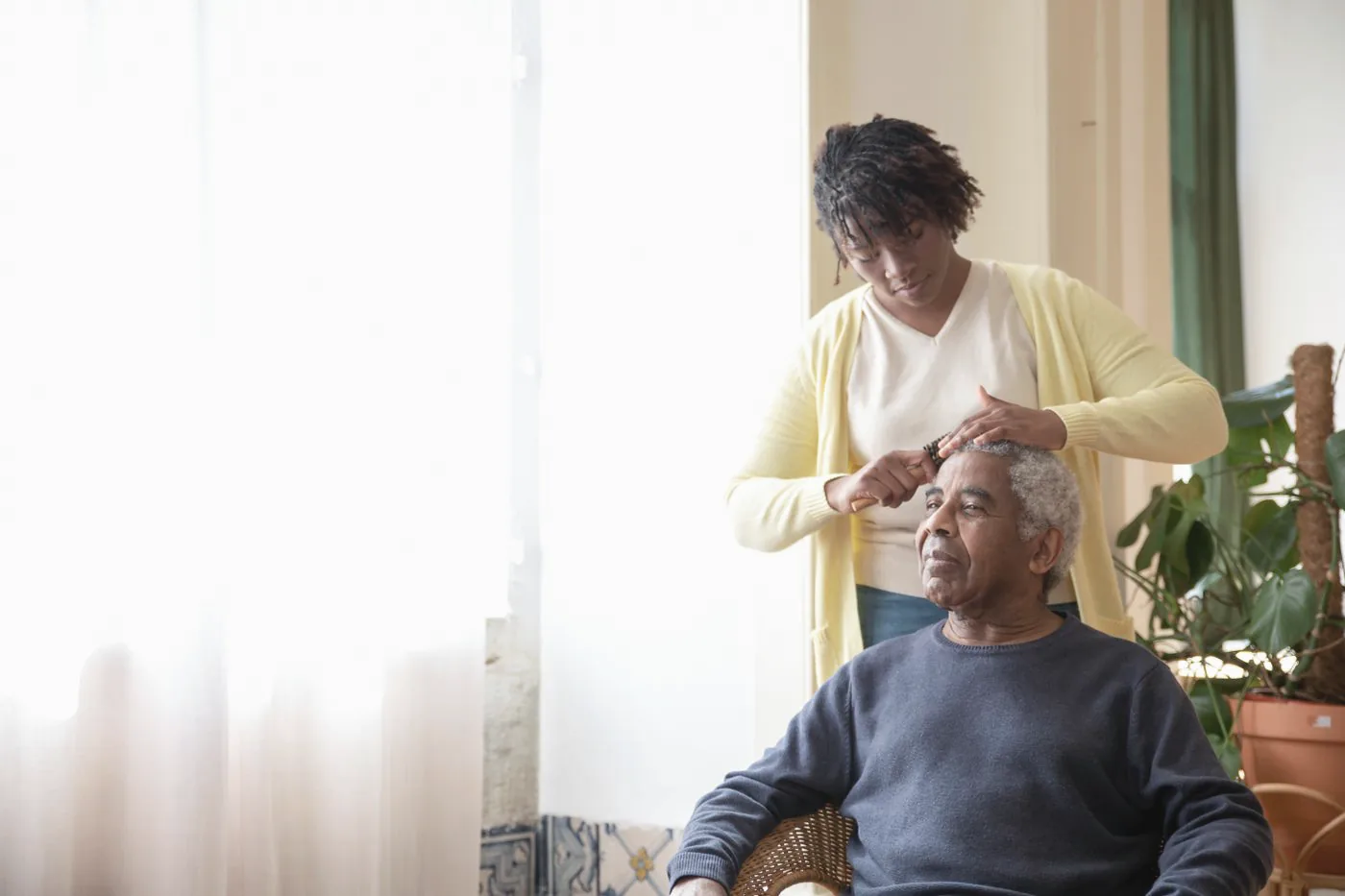
A caregiver combing an older man’s hair beside a sunlit window.
Skill

Bathing and dignity

Bathing is about dignity as much as hygiene. Warmth, privacy and a plan make it safer for both of you.
5 steps · Read more →
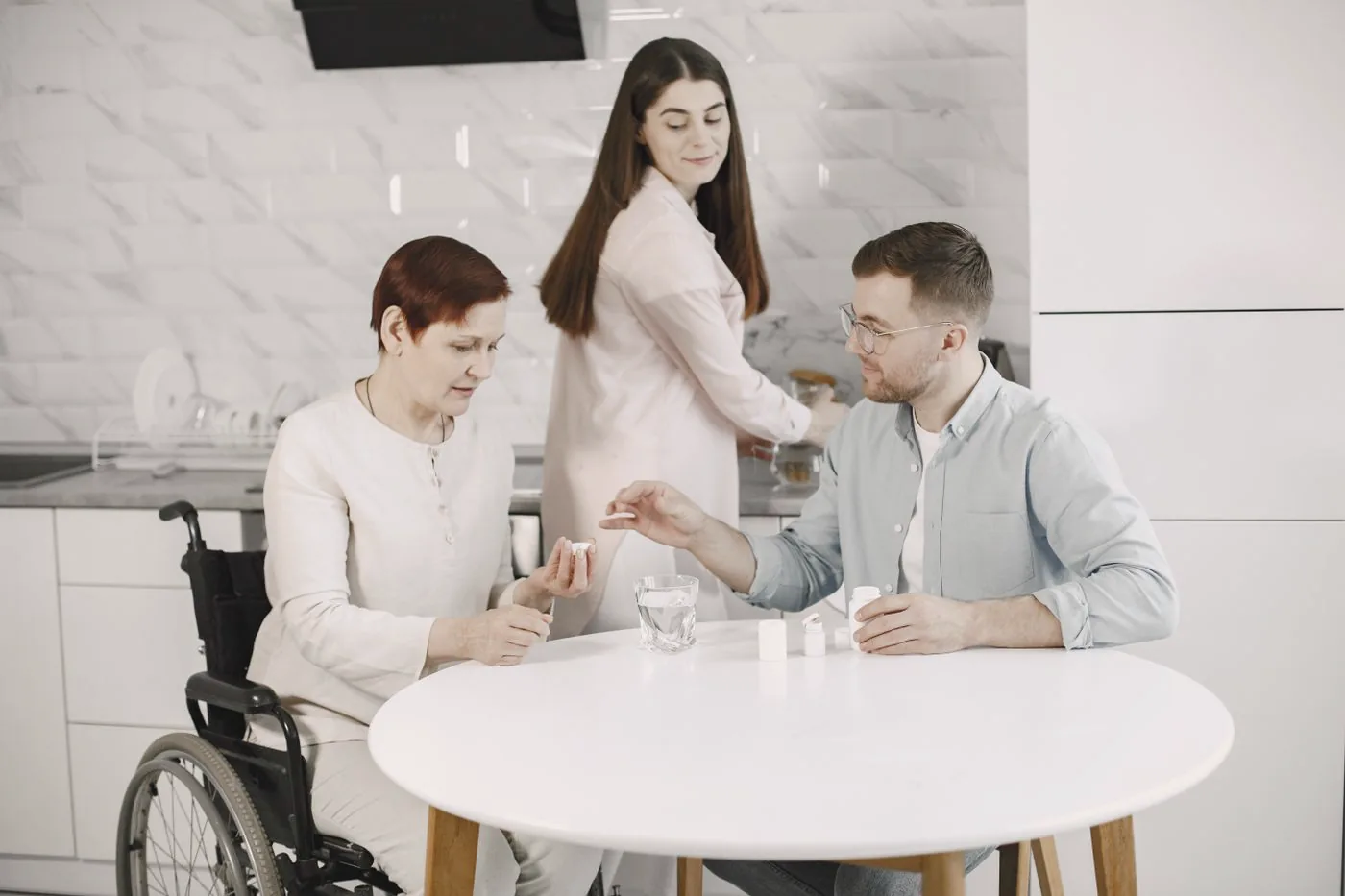
Three family members sitting around a table, talking with an older woman in a wheelchair.
Skill

Talking when memory changes

Argue less, connect more. Short sentences, one question, a calm tone, and respond to the feeling.
5 steps · Read more →
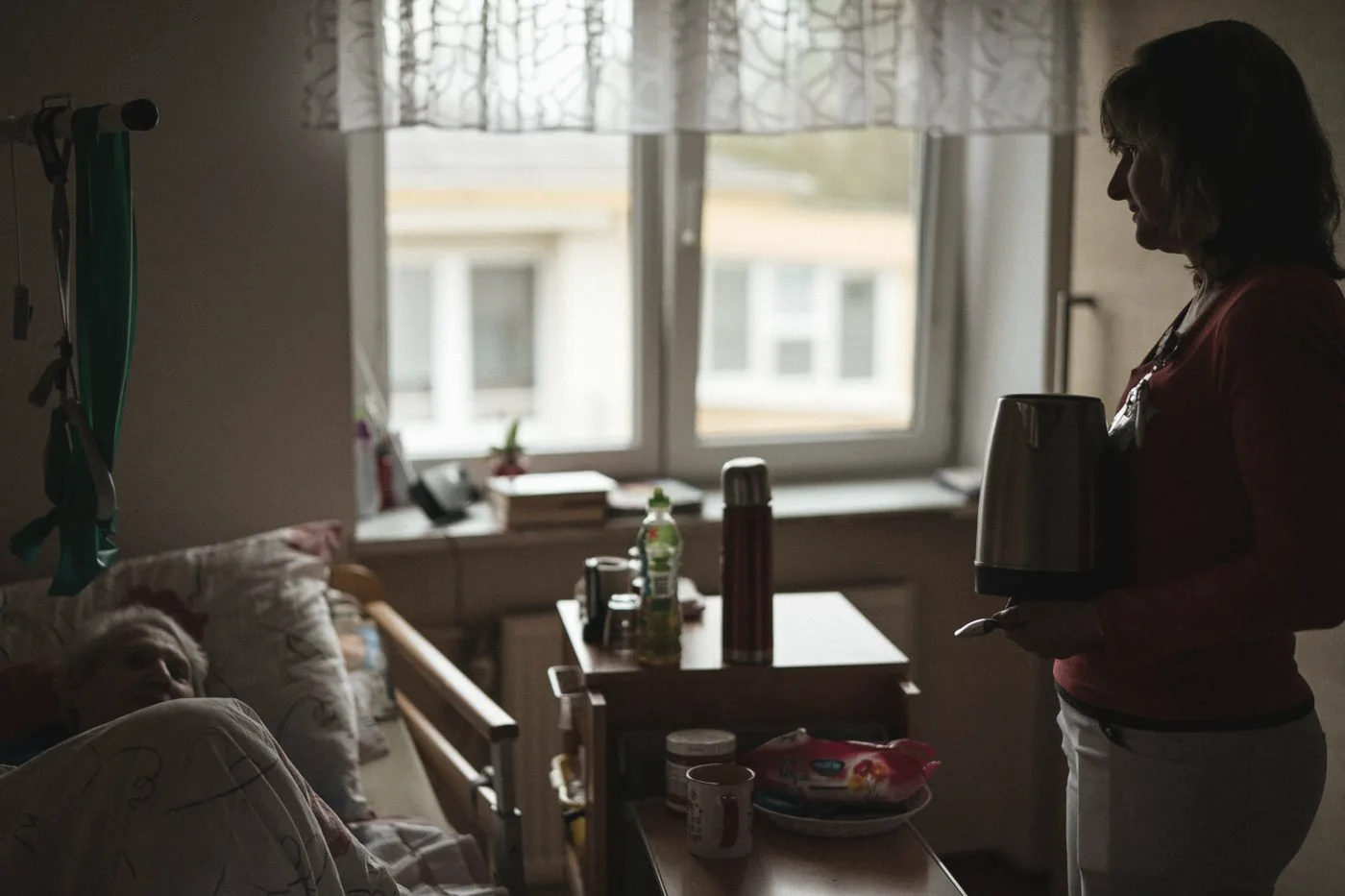
A caregiver preparing a warm drink in a dim room, with a hospital bed in the background.
Skill

Recognising an emergency

Know the difference between “call the doctor” and “call emergency services.” Put it on one page.

5 steps · Read more →
Tree shadows falling across a sunlit white wall.
Skill

Making home safer

Most falls happen at home. Fix the cheap things first: light, rugs, bathroom, stairs, phone.

5 steps · Read more →
A teacup, dried flowers and soft linen on a table in gentle light.
Skill

Making appointments count

A good appointment is prepared, not improvised. Bring one page: symptoms, medications, questions.

5 steps · Read more →
Not sure where to start?

Take three minutes to see what care is taking out of you.

Everything runs in your browser. No answers are stored, uploaded or attached to your email.

Check your load →

How do I use these skill pages, and where do I stop and call?

Where do I start if I have to do this tonight?
Open the page for the thing in front of you — moving someone, tablets, thickened drinks, a skin check, a pad change — and read the "before you start" list first. If you cannot tell which skill fits, that is the sign to ask the nurse before you touch anything.
What should I read if I only have a minute?
"Before you start" and "when to call". Those two parts carry the safety conditions: what has to be true before you begin, and the point where the task stops being yours to do alone. Save the middle of the page for when you are actually beside them.
How do I know I am doing it well enough to be safe?
A skill page never promises you can do it alone. It names what has to be in place — a second pair of hands, a slide sheet or hoist, a checked instruction from a pharmacist or speech therapist — and it marks where to stop. If one of those conditions is missing, you are not safe yet, even when the steps look familiar. Do not compensate with strength or with guesswork.
Do these pages replace asking the nurse?
No. Each page ends by handing the decision back to someone who can assess: the district nurse, the pharmacist, the speech therapist, the continence or wound service. The page only helps you arrive at that call able to describe plainly what you are seeing.
When is it no longer a skill question?
When the problem stops being a task and becomes an event: chest pain, stroke signs, severe breathlessness, unresponsiveness, a seizure, severe bleeding, or someone who cannot sit safely. Call an ambulance then — do not read first.
What if none of the skills here is what I am dealing with?
These pages cover the tasks of daily care, not the decisions around them. If you are working out what happens next — discharge day, a new diagnosis, a fall that changed things, care turning towards comfort — start from the situations pages instead, or take the load check to see what care is taking out of you.

Last checked: 2026-11-27