Start with what you are facing

The situation you did not plan for

Pick the page by what is happening now: the first 72 hours home after discharge, the first six months after a stroke, dementia sorted early to later, the fall that changed things, or the months when care turns to comfort.

Pick the page by what changed at home this week: home from hospital, after a stroke, dementia, bedbound, end of life. Read the “today” line first, then the card.

10 pages · Editorially reviewed · Sources cited · Not clinically reviewed · Updated Nov 2026 · Last checked: 2026-11-15

What changed this week, and which page do you open first?

These 10 cards do one thing only: they tell you which problem that page takes first. If you cannot choose, check the six questions below for the one that matches your week. Every page opens with the short answer for today.
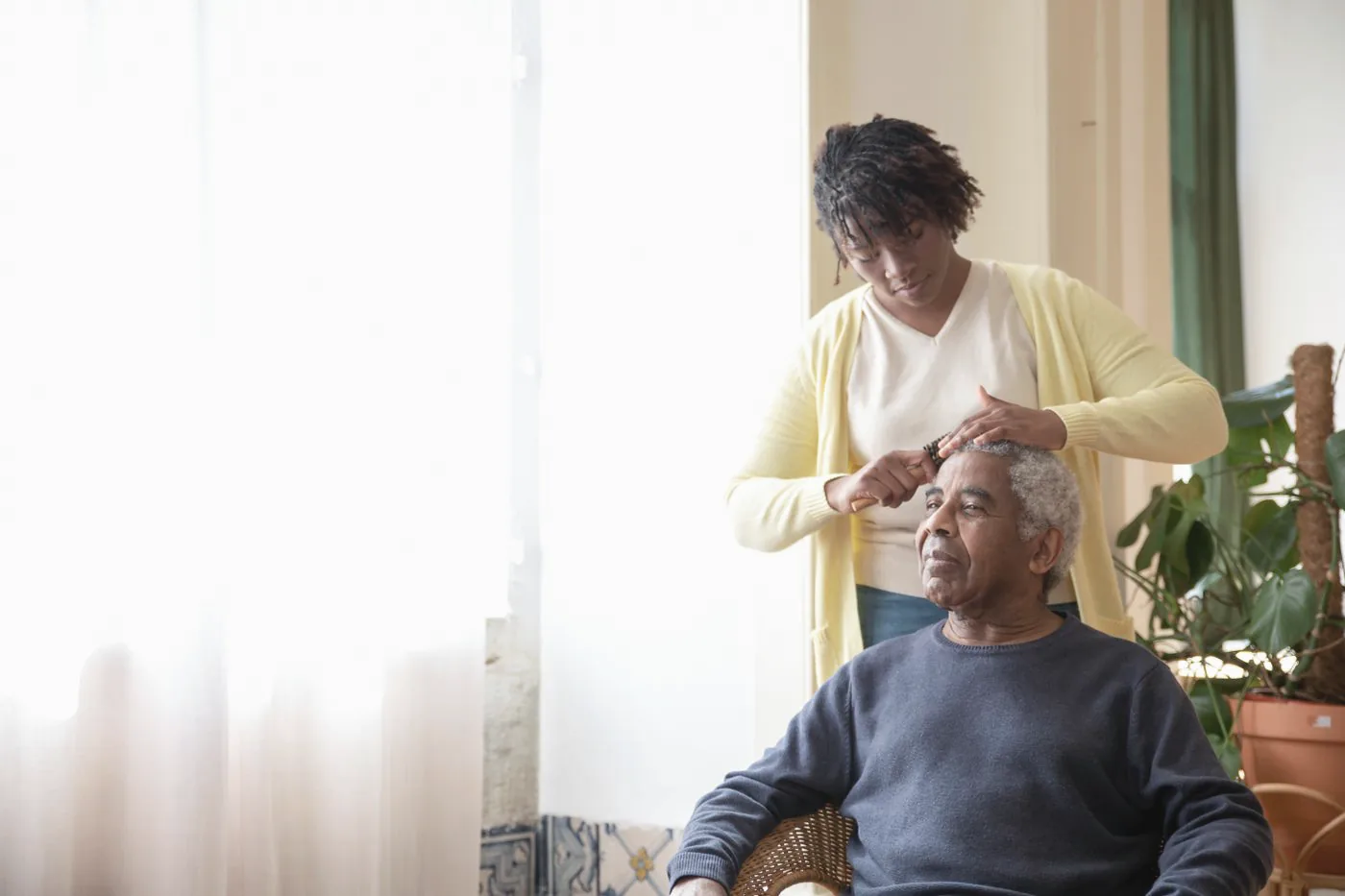
A caregiver combing an older man’s hair beside a sunlit window.
Situation

Dementia

When memory and judgment change, the person is still there. The care changes, too.
3 skills · Read more →
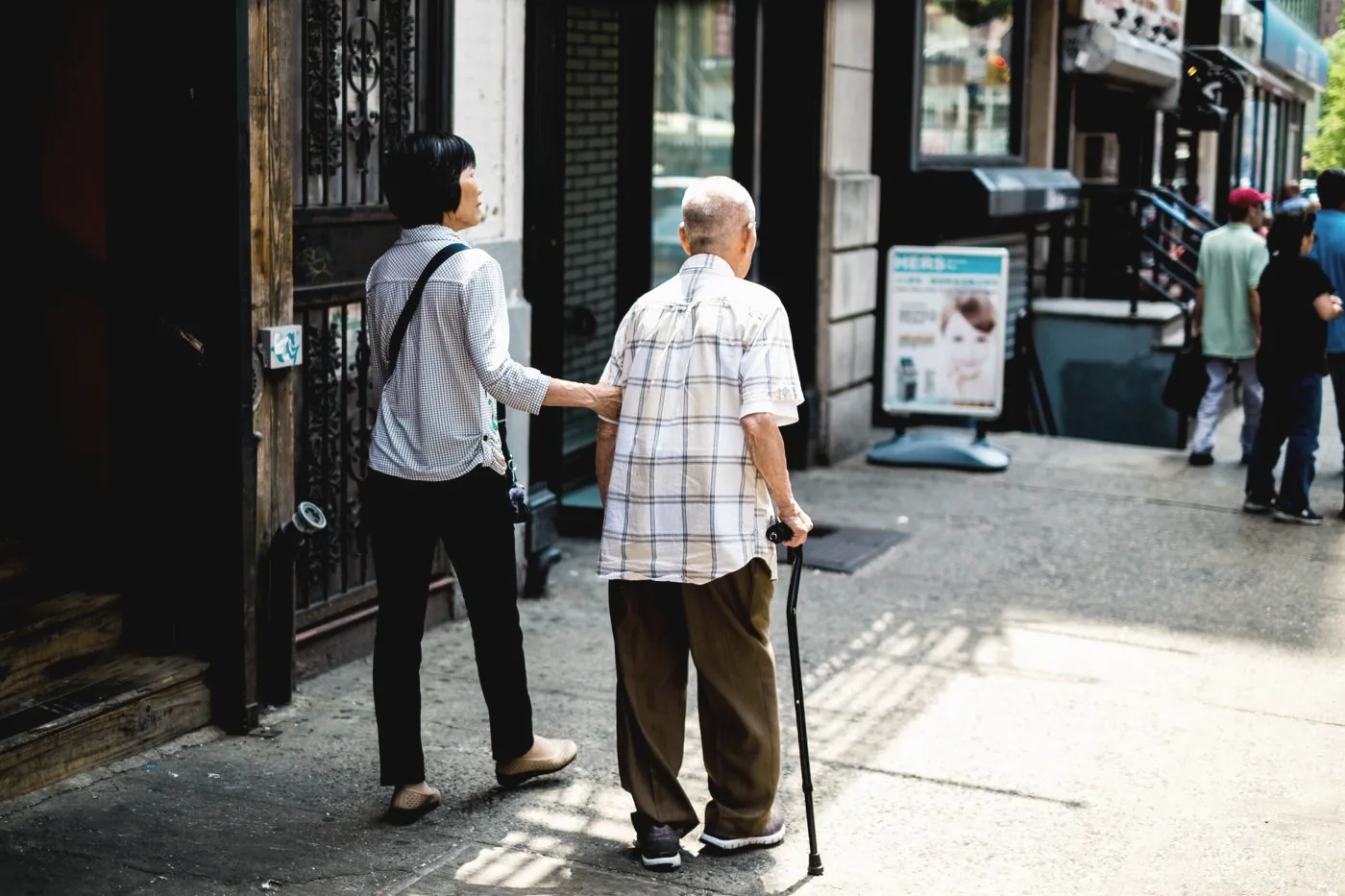
A younger person walking slowly beside an older man with a cane on a city street.
Situation

After a stroke

The first weeks are about safety and rehab. Recovery is uneven, and progress is not a straight line.
4 skills · Read more →
A caregiver offering a cup of tea to an older woman seated in a chair.
Situation

Caring through cancer

Treatment affects energy, appetite, sleep and mood, often in waves. Your job is to keep the practical system running — not to become a nurse.

4 skills · Read more →
Tree shadows falling across a sunlit white wall.
Situation

The first week home

Discharge is a handover, not a finish line. The first 72 hours decide whether the plan holds.

4 skills · Read more →
A caregiver leaning over a bed to adjust a blanket for an older woman.
Situation

When they can’t get out of bed

The goals shift to comfort, skin, eating, breathing and dignity. You cannot do this alone — and you should not try.
4 skills · Read more →
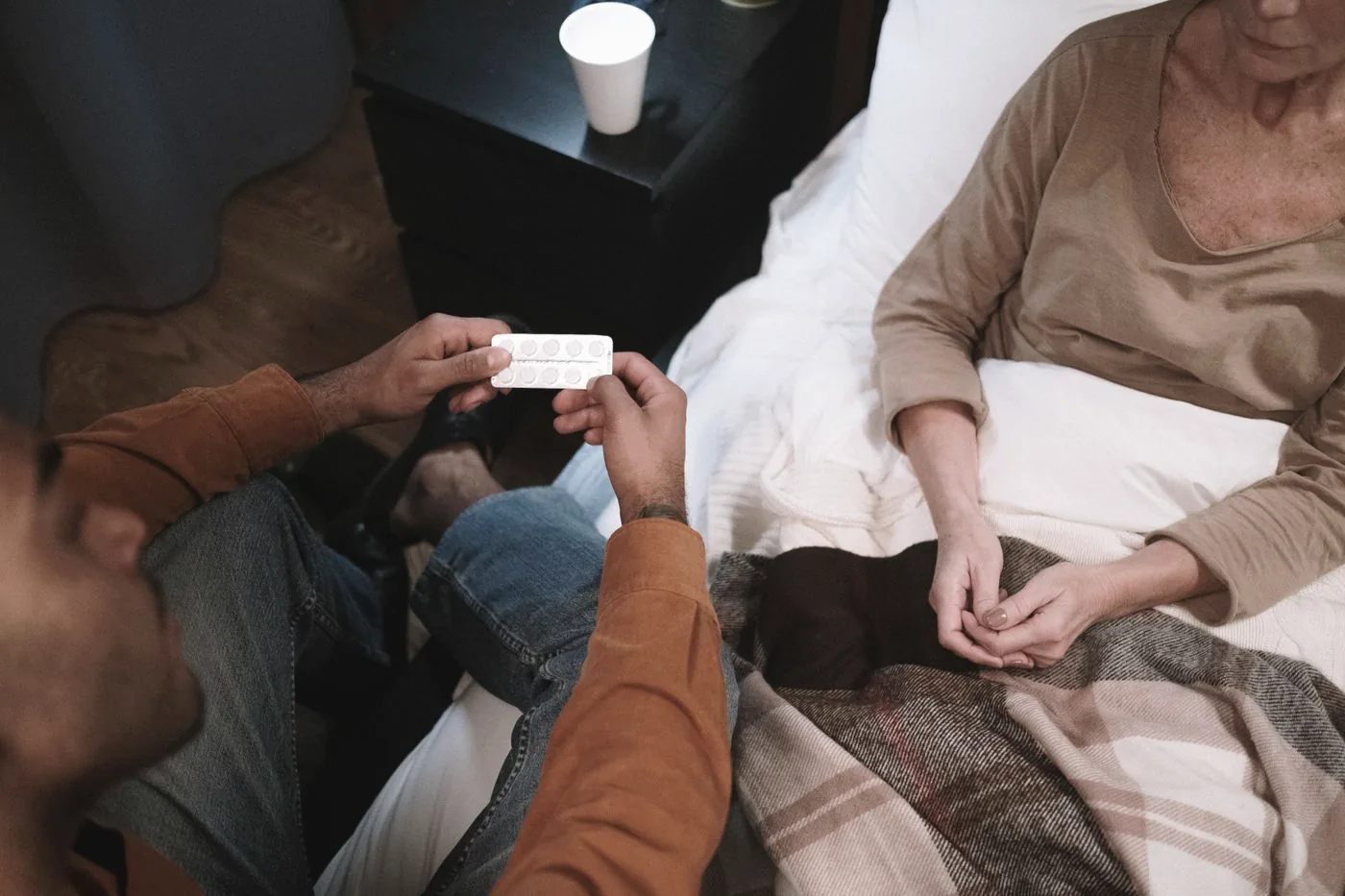
A caregiver sitting beside an older woman in bed, holding a medicine packet and talking.
Situation

Parkinson’s at home

Movement, balance, sleep and mood change together. Medication timing matters more than most people expect.

4 skills · Read more →
A person in a wheelchair and a companion sitting together in a green park.
Situation

Heart failure or COPD at home

These conditions can change quickly. Daily monitoring catches problems before a crisis.

4 skills · Read more →
A person walking a gravel path in white shoes, seen from behind.
Situation

Frailty and falls

A small fall can change everything. Most risks can be reduced before the next one.
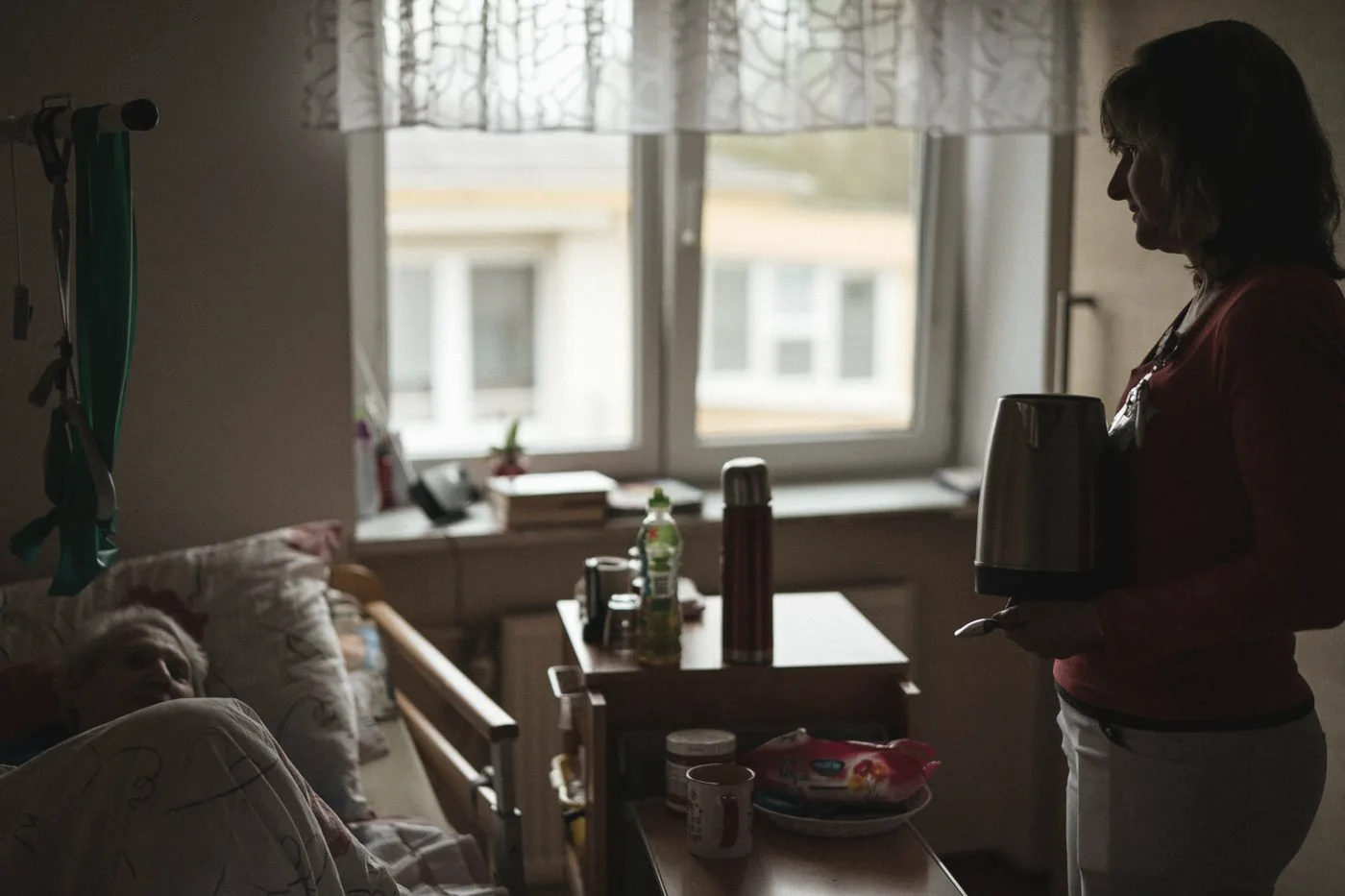
4 skills · Read more →
A caregiver preparing a warm drink in a dim room, with a hospital bed in the background.
Situation

A serious new diagnosis

You do not have to solve the whole future this week. Start with the next appointment and the next question.
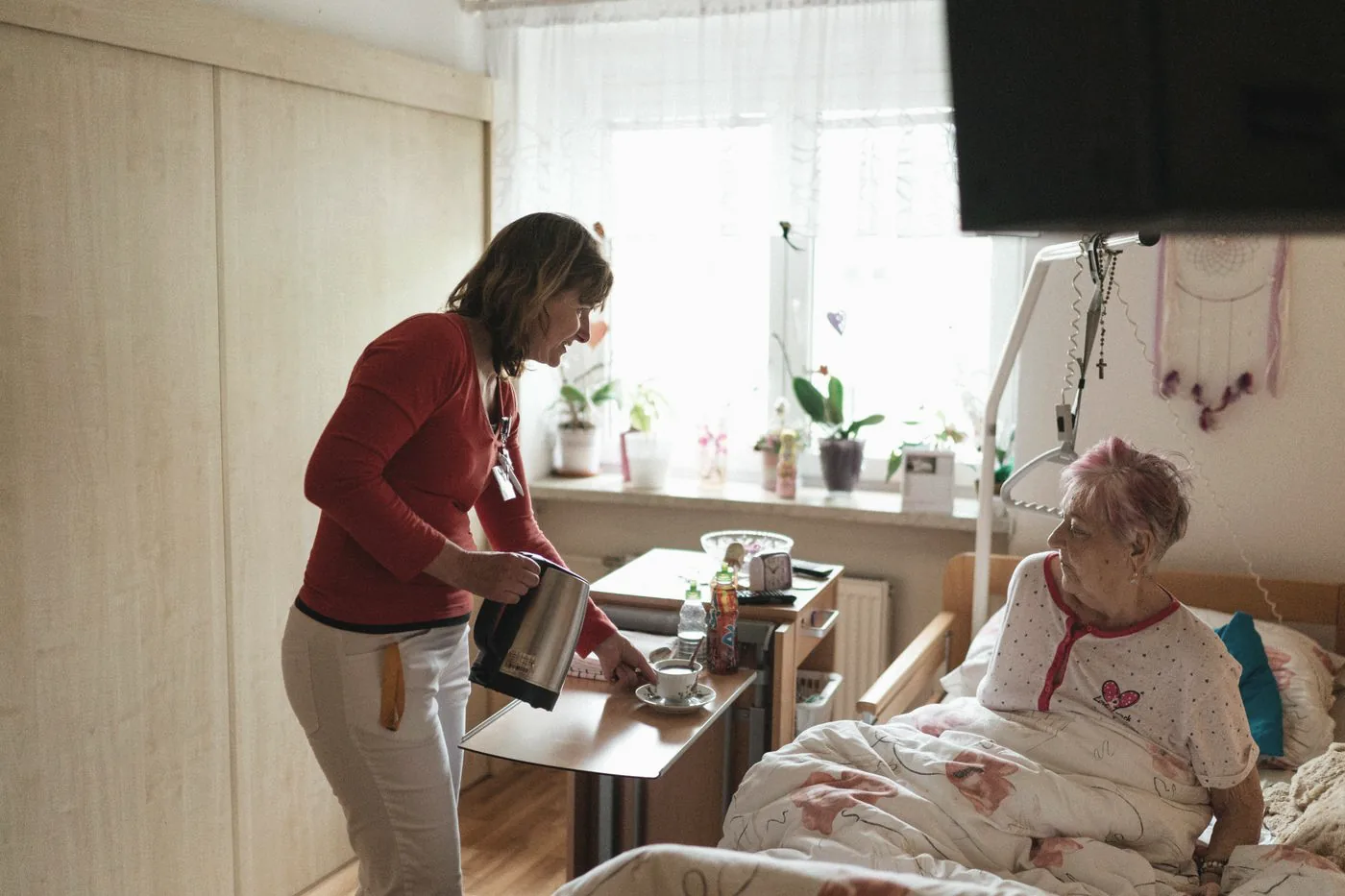
3 skills · Read more →
A caregiver serving tea to an older woman resting in a bedroom.
Situation

Caring at the end of life

This is still care: comfort, dignity, presence and practical preparation. You do not have to do it alone.

4 skills · Read more →
Not sure where to start?

Take three minutes to see what care is taking out of you.

Everything runs in your browser. No answers are stored, uploaded or attached to your email.

Check your load →

Still not sure which page applies? Answer these six questions first.

I do not know which page applies to us. Where do I start?
Pick by what changed this week, not by the diagnosis on paper. If the person came home from hospital in the last few days, open The first week home — the first 72 hours decide whether the plan holds. If a single event changed everything, open After a stroke or A serious new diagnosis. If the change is something you handle every day, such as memory, walking, medicine timing or breathlessness, open the page for that condition. Every situation page opens with a short answer for today and ends with the next step.
They just got home from hospital. Do I read the situation page or a skill page?
The situation page first: The first week home is where discharge plans break, and medication changes are the biggest risk in the first two days. It tells you what to watch for and which page to open next. The skill pages it links — medication, home safety, transfers, appointments — are where the hands-on steps live. Use this hub to choose the page; use the skill pages to do the task.
Memory and judgment are changing. Which page, and does the stage matter?
Open Dementia. It is the only page here sorted by stage — Early, Middle, Later — so you can find the part that matches what you are seeing this month rather than the whole disease at once. If your actual question is what to say when the same question comes ten times, go from that page to the dementia communication skill page. Sudden confusion is not a stage; treat it as urgent.
They keep falling, or I am afraid they will. Where do I start?
Frailty and falls: a small fall can change everything, and most risks can be reduced before the next one. If the falls come with stiffness, tremor, a slower walk or medication that wears off before the next dose, open Parkinson’s at home instead — the cause changes what you do. If the person cannot get out of bed at all, go to When they can’t get out of bed: the goals shift to skin, eating, breathing and dignity.
Treatment is still going on. Which page fits the day-to-day?
If the treatment is for cancer, open Caring through cancer: it covers the waves of side effects, the symptom log, and the fever rule during chemotherapy. If the pattern is weight, swelling and breathing rather than treatment cycles, open Heart failure or COPD at home — those conditions can change quickly and daily monitoring catches it earlier. If nothing is settled yet and you are still absorbing the diagnosis, start with A serious new diagnosis.
When is it time to open the end-of-life page?
Not only in the last days. Open Caring at the end of life when the goal of care shifts from cure to comfort, or when you are asking about hospice or palliative care — it covers months to weeks, the last days, and after death, and it starts with asking for that team early. It is a different job from When they can’t get out of bed, which is about positioning, skin and safe moving. If the person is in bed and care is changing, read both.

Last checked: 2026-11-15