You are also a person

The part of care nobody asks about

The 10 pages written for you, not the person you care for: burnout, sleep, anxiety or guilt. Each opens with the short answer, 3 scripts you can say out loud, and what helps today, this week, this month.
10 pages · Editorially reviewed · Sources cited · Not clinically reviewed · Updated Nov 2026 · Last checked: 2026-11-27
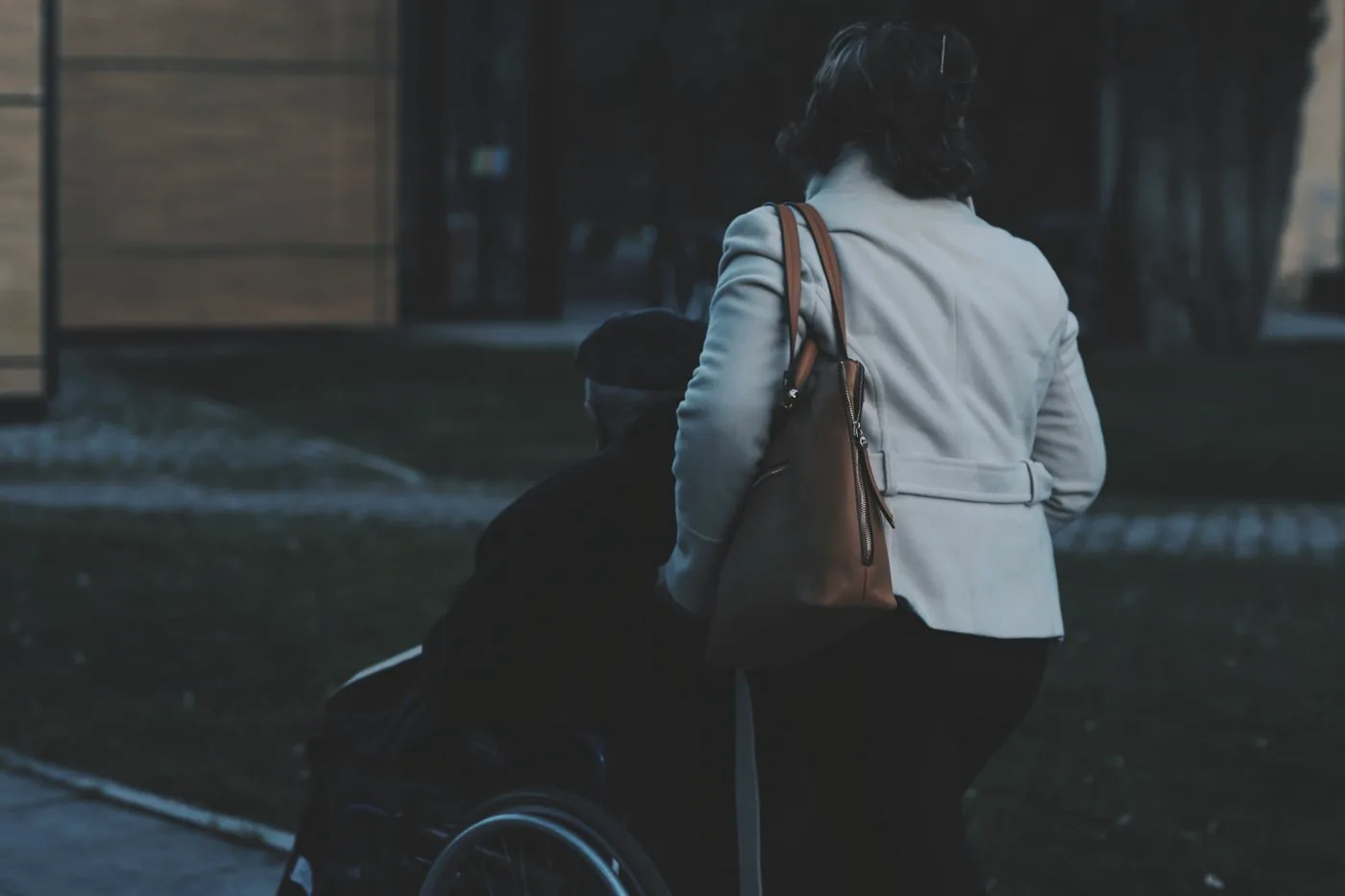
A caregiver pushing a wheelchair along a path at dusk, seen from behind.
For you

When you’re running on empty

Burnout is not a character flaw. It is what happens when demand outlasts support.
3 scripts · Read more →
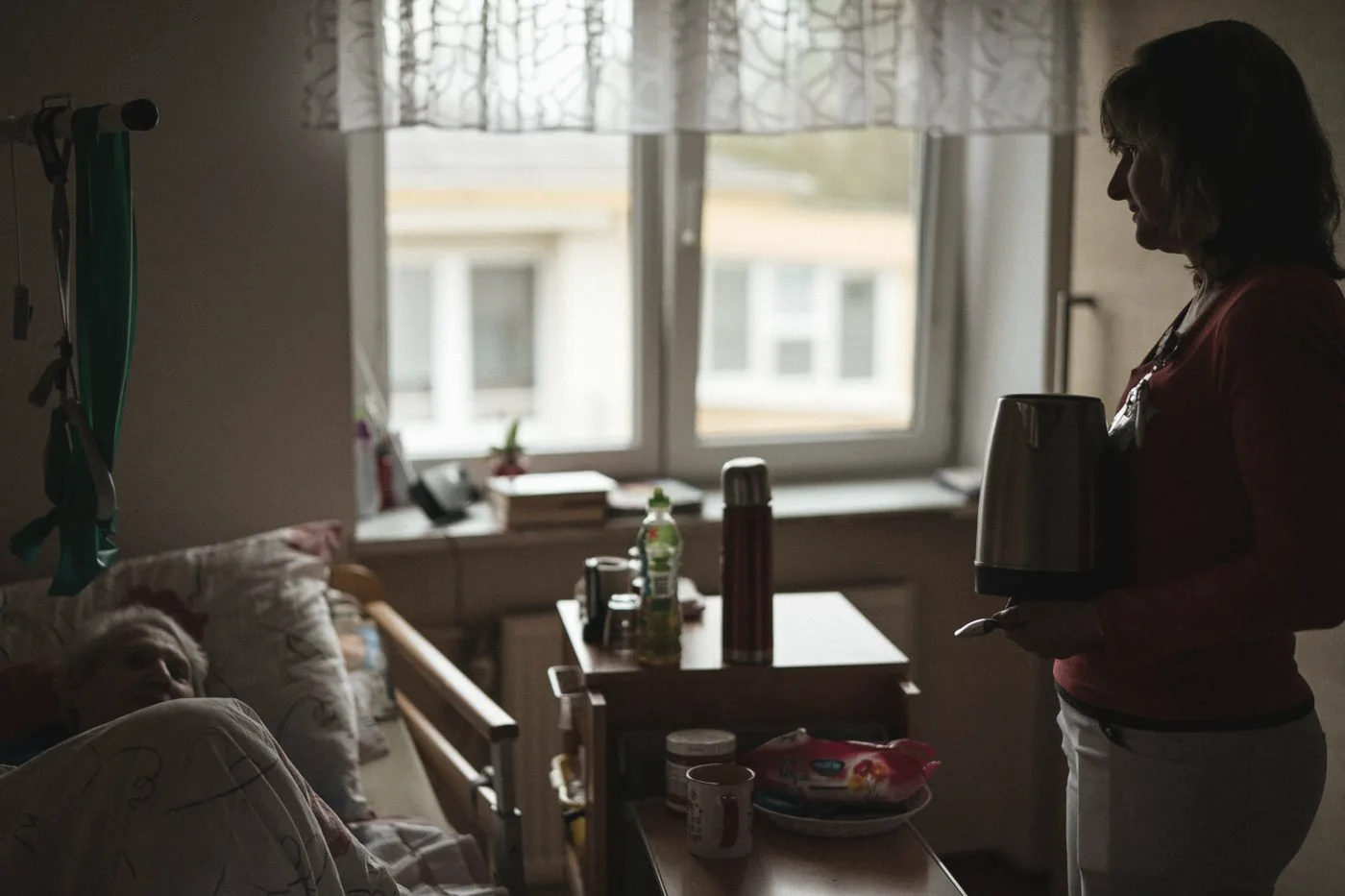
A caregiver preparing a warm drink in a dim room, with a hospital bed in the background.
For you

Sleep when you’re on call

Night care fragments sleep, and fragmented sleep makes everything harder. Protect one block.

3 scripts · Read more →
Tree shadows falling across a sunlit white wall.
For you

The worry that won’t switch off

Caregiving keeps your body on alert. Anxiety can look like planning, checking, irritability or a tight chest.

3 scripts · Read more →
A younger hand holding an older hand, both resting on a dark blue sleeve.
For you

“I should be doing more”

Guilt is common when love meets limits. It is not proof that you are doing it wrong.

3 scripts · Read more →
A person walking a gravel path in white shoes, seen from behind.
For you

Saying no without disappearing

Boundaries are not walls. They are the terms that let you keep caring without disappearing.
3 scripts · Read more →
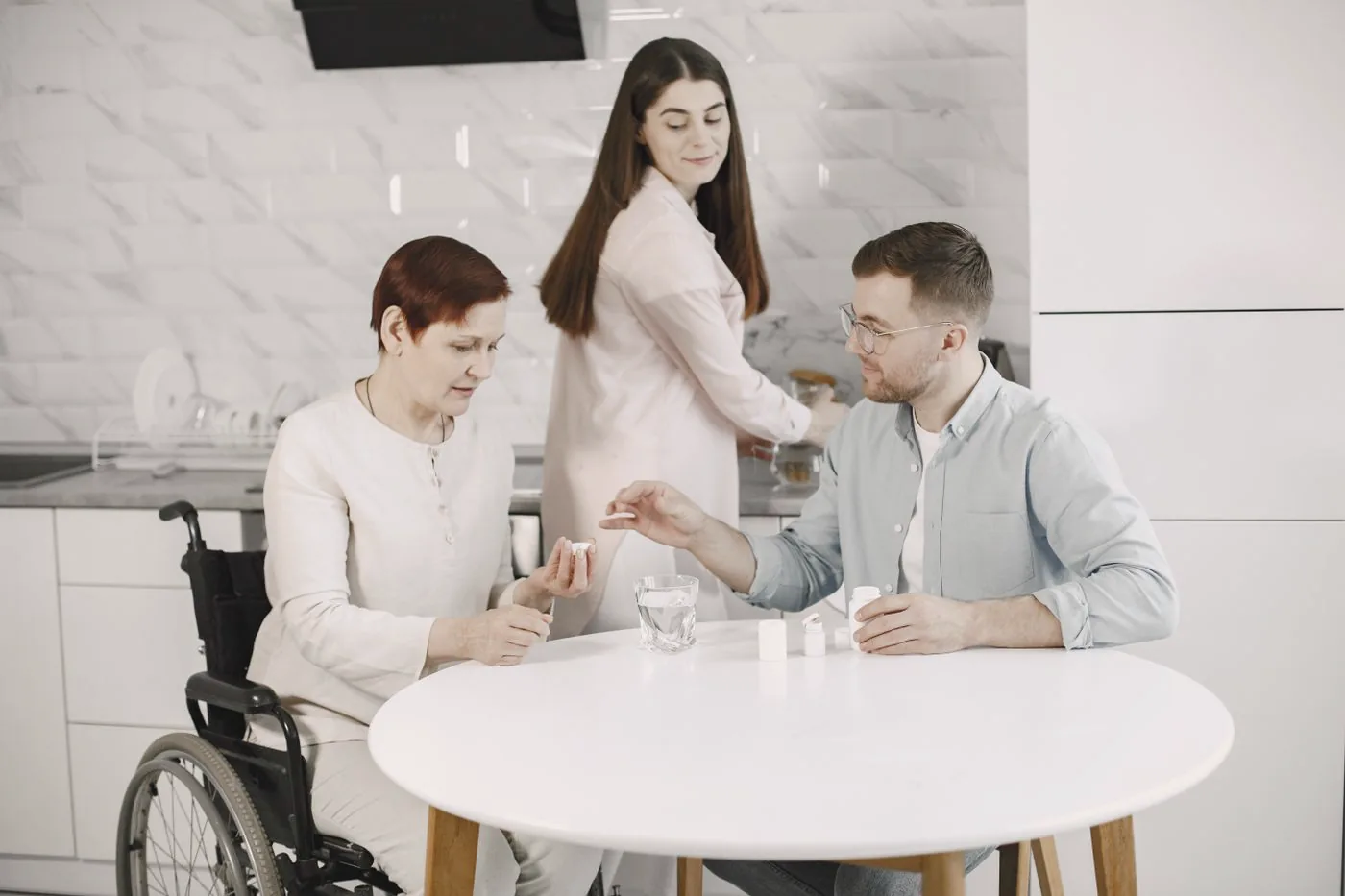
Three family members sitting around a table, talking with an older woman in a wheelchair.
For you

Sharing care with siblings

Most family conflict is not about love. It is about unclear tasks and unequal information.
3 scripts · Read more →
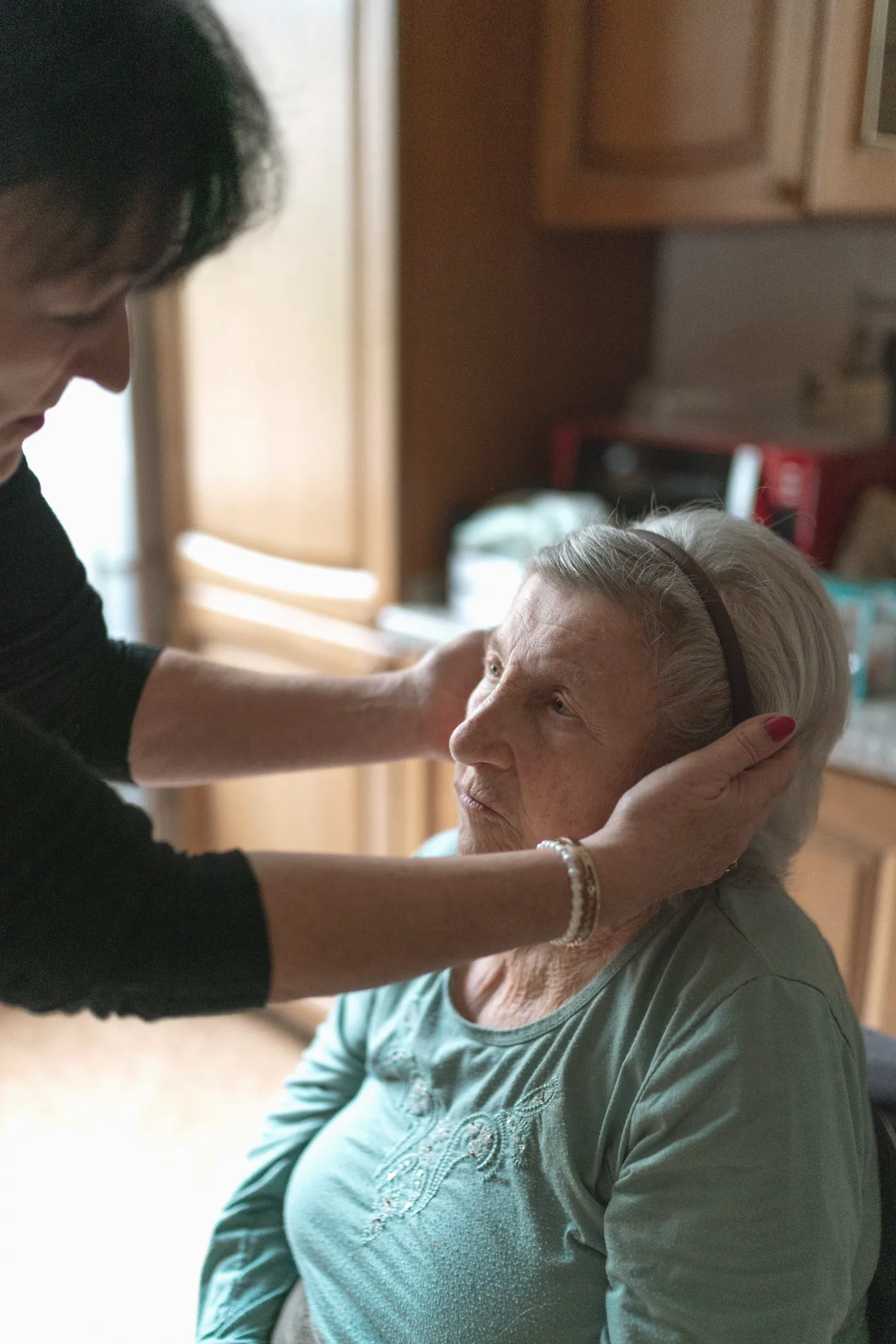
A caregiver gently holding an older woman’s face in a warm room.
For you

Working while caregiving

Caregiving and work collide in invisible ways. You are allowed to ask for accommodations.

3 scripts · Read more →
A teacup, dried flowers and soft linen on a table in gentle light.
For you

Money, benefits and paperwork

Money stress is part of caregiving, not a side issue. Start with a list, not a perfect plan.

3 scripts · Read more →
A person in a wheelchair and a companion sitting together in a green park.
For you

A real break

Respite is not a luxury. It is part of safe care. Start with one hour, not a week.
3 scripts · Read more →
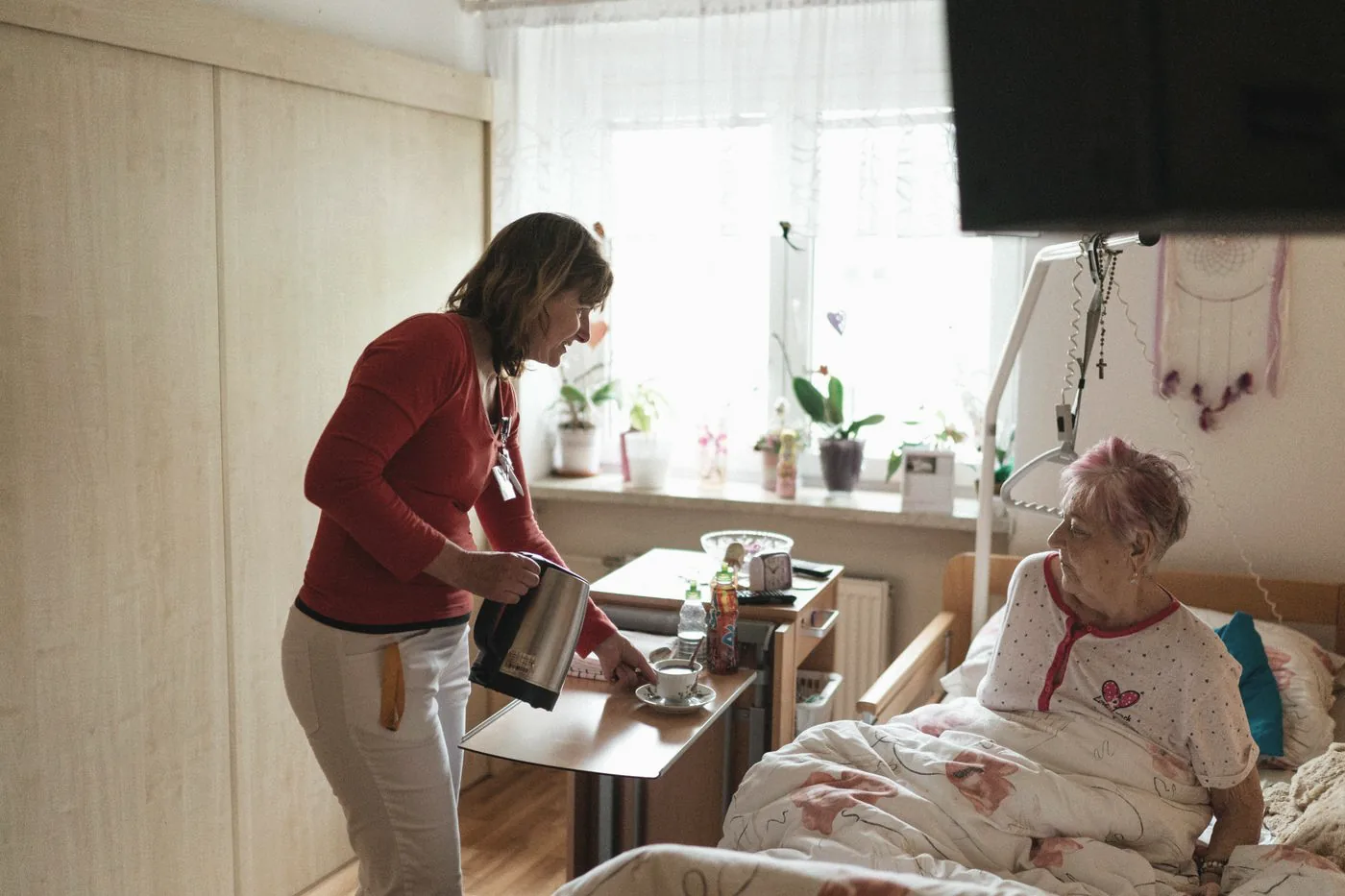
A caregiver serving tea to an older woman resting in a bedroom.
For you

Grief before and after

Grief can start before death. It is not a sign you loved them less.

3 scripts · Read more →
Not sure where to start?

Take three minutes to see what care is taking out of you.

Everything runs in your browser. No answers are stored, uploaded or attached to your email.

Check your load →

Questions people ask

How do I know this is burnout and not just a bad week?
A bad week ends when the demand ends. Burnout is what happens when demand outlasts support: exhaustion that sleep does not fix, numbness, resentment, feeling trapped. If that has been true for weeks, do not try to rest your way out of it alone. /you/burnout/ opens with the short answer and ends with what helps today, this week and this month.
My sleep is broken. When is that something to see a doctor about?
Protect one uninterrupted four-hour block first, and write a night plan: who checks when, and what actually warrants waking you. See a doctor if insomnia lasts more than three weeks, if you fall asleep while driving or mid-conversation, or if you cannot stay awake to give safe care. /you/sleep/ has the on-call version of the same plan.
Is this worry normal, or is it anxiety?
Some vigilance is a normal response to a real responsibility, so the test is not whether you worry but whether it is taking over. When checking, planning and worst-case thinking eat your sleep, work or ability to rest for two weeks or more, bring it to a doctor or therapist. /you/anxiety/ starts with a three-minute grounding practice you can do today.
I feel guilty whenever I rest. Does that mean I am doing it wrong?
There is no perfect score, so use the practical test instead: is the person safe, are their basic needs met, and are you still able to function? If one of those is failing, the answer is more support, not more guilt. /you/guilt/ shows how to replace one “I should” with a limit you can actually hold.
Will asking for help make me look like I cannot cope?
It looks like planning. The people who last are not the ones who never ask; they are the ones who build a team. Ask for one specific task, such as “Can you take Thursday afternoon so I can sleep?”, not general support. /you/boundaries/ has the formula to say what you can do, not only what you cannot.
How do I rest when there is no one else to take over?
Start smaller than you think: ten minutes sitting outside, a closed door, a meal eaten slowly. Then ask the care team, in writing, about emergency respite or a day program, and ask one person for one specific hour. Rest is not a reward for finishing; it is part of keeping care safe, and /you/respite/ walks through the options.

Last checked: 2026-11-27