Long reads for the long haul
When you need more than a checklist
Where to start: if they just came home from hospital, read the first 72 hours guide first. Then take the guide that matches the decision in front of you.
This column answers “what do I do next”: the discharge handover, the family meeting, a parent who refuses help, paying for help, the end of care. Open the one that matches the step you are stuck on.
Which step are you stuck on, and which guide opens there?

The first 72 hours after hospital
Discharge is a handover, not a finish line. This is the week the plan either holds or breaks.

The family meeting that actually works
Not a showdown. A work meeting with an agenda, numbers and a review date.

When a parent refuses help
Refusal is often about control, fear or not understanding. Do not win the argument; reduce the stakes.

How to arrange respite care
Respite is planned care so you can stop. Start with one hour, prepare the handover, and build up.

The caregiver’s money map
Costs, benefits, legal documents. In that order. You need the next three calls, not a perfect plan.

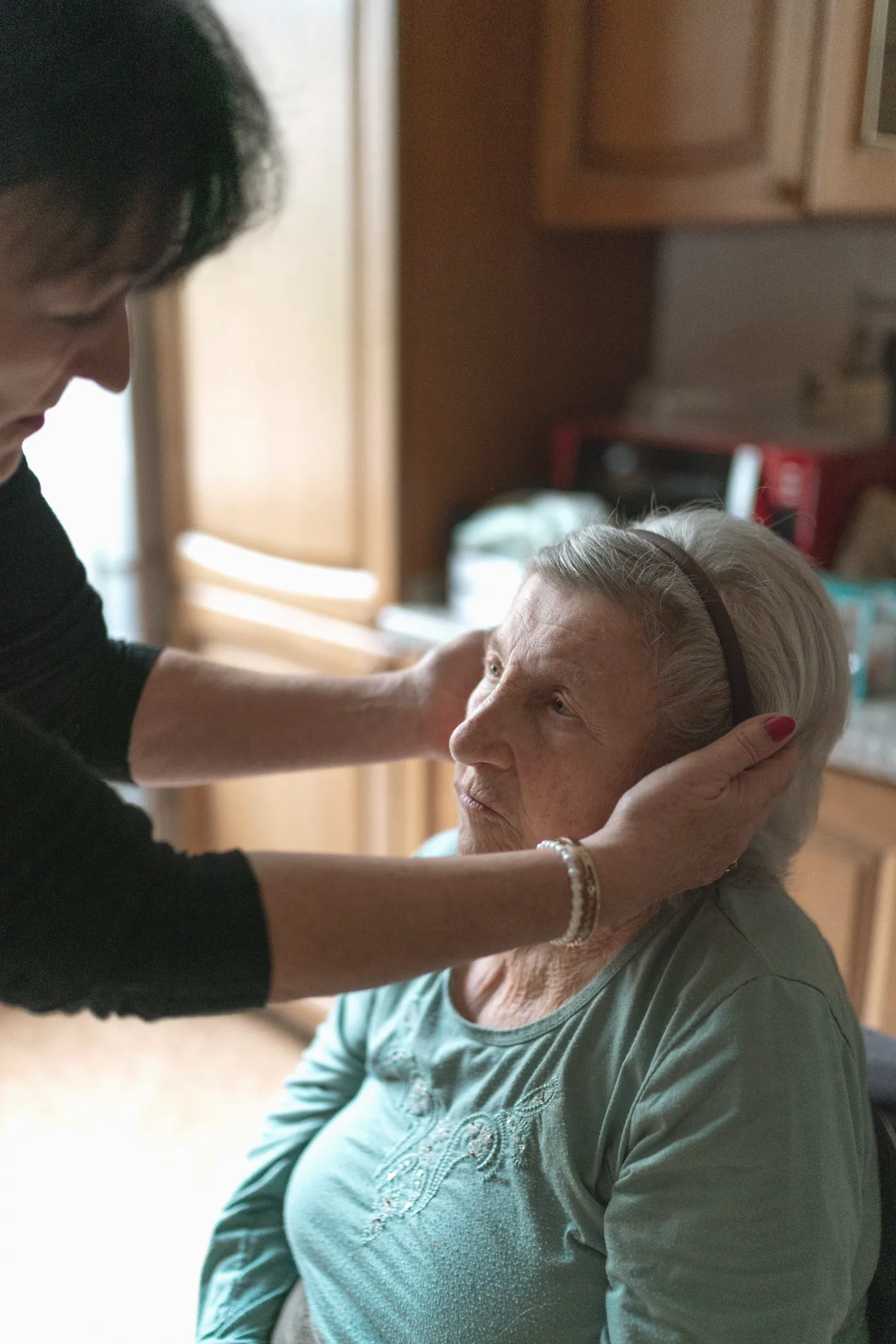
12 things to say when memory changes
Lower the temperature, keep the connection. Validate, redirect, and stop arguing about facts.
Working while caring
You cannot do two full-time jobs without a plan. Protect focus, ask for formal flexibility, and build backup.
When caregiving ends
The routine stops before the grief does. Rebuild slowly; the quiet is not a failure.
How do I choose among these long reads, and which one goes first?
Which guide should I read first?
Match the guide to the decision in front of you, not to the diagnosis. If the person came home from hospital in the last few days, start with The first 72 hours after hospital: medication list, warning signs and the after-hours number in writing, and do less than you think. Everything else can wait a week.
The person I care for has dementia. Which guide fits?
Start with the dementia scripts guide. It is written for the conversations that repeat all day, not for the medical plan. Read a script before the moment arrives rather than in the middle of it.
We have a family decision to make. Where do I start?
Use the family meeting guide. Send the facts and a proposed plan in writing, and ask for a written response by a date. A sibling who does not answer has not agreed; decide what you can sustain without them.
I am running on empty but I cannot stop working. Which two guides?
Respite care first, then the working caregiver guide if the conflict is with your job. Planned breaks are maintenance, not a reward: a caregiver who never stops becomes another person who needs care. A smaller, time-limited form of help is easier for the person to accept than “a caregiver”.
Money, not medicine, is the problem. Which guide?
Go to the money guide. Paying for help is a budget question before it is a family question: list the tasks that can be handed to paid help, cost those tasks, then decide what you are not going to do.
Care has ended. Is there anything left to read?
The after caregiving guide. Relief and grief arrive together, and neither one means you loved the person less. Read it in the first weeks rather than waiting for it to feel allowed.