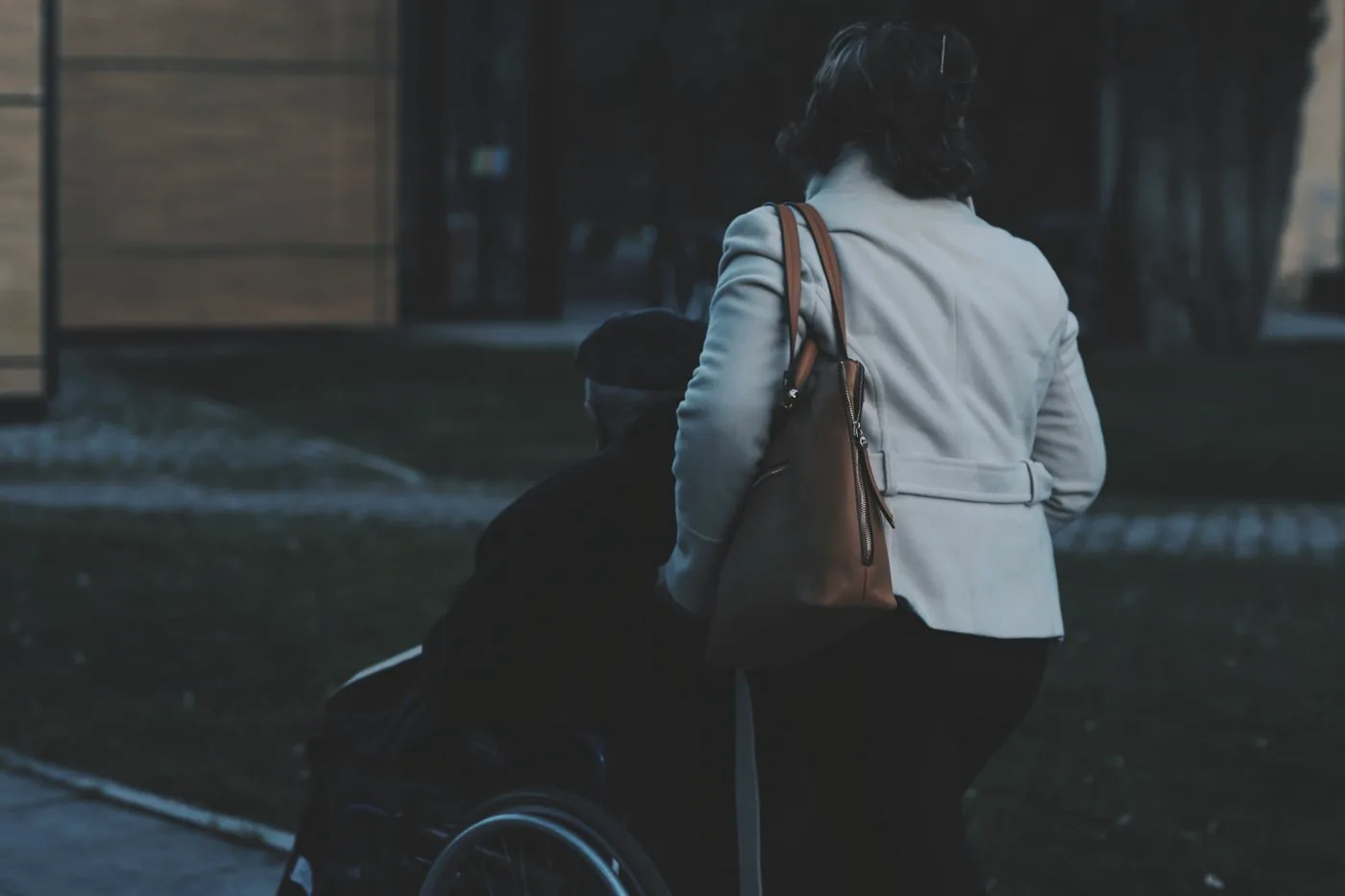
When care ends, rebuild the routine before the identity: sleep, meals, one person who checks in. If sleep, appetite or mood has not improved after a few weeks, get help. For the first raw months, when the quiet feels like emptiness and relief at once.
01The first weeks
The phone stops ringing and the calendar empties. This can feel disorienting. Keep the first weeks simple: sleep, meals, a short walk, one person who checks in. Do not fill every hour to avoid the feelings.
There are practical tasks: certificates, accounts, belongings, notifications. Ask for a bereavement checklist from the hospice, funeral home or local authority. Do them in batches, not all at once.
02Grief and relief can coexist
You may feel relief that suffering ended, that the vigil is over, or that you can sleep. Relief is not a betrayal. It is a response to load. You can miss someone profoundly and still be glad the hardest part is over.
Grief is not linear. Anniversaries, songs, paperwork and ordinary Sundays can bring it back. Let it come in doses. A ritual — a photo, a walk, a letter, a candle — can give it a place.
03Who are you now?
Caregiving can take over identity. When it ends, the question “What do I do?” can be frightening. Do not rush to a new role. Start with small preferences: what you like to eat, when you want to wake, who you want to see.
Some people return to work or volunteering quickly; others need months. There is no correct timeline. If you feel pressure to “move on,” you can say, “I’m rebuilding, not replacing.”
04Your body after the strain
Years of broken sleep, lifting and vigilance leave a mark. Book the appointments you postponed. Ask for a check-up, including blood pressure, pain and mood. Rebuild strength gradually; do not expect your body to bounce back in a week.
If sleep, appetite or mood do not improve after a few weeks, or you have thoughts of self-harm, get help. Grief counseling and bereavement groups are practical, not dramatic.
05Relationships after care
Some friendships were built around the crisis and may fade. Others may deepen. Tell people what you need: company, practical help, or space. Do not expect them to guess.
Family conflict may continue after the death. If money or belongings are disputed, slow down and get advice. Do not make permanent decisions in the first raw weeks if you can wait.
06When to get help
Seek help if you cannot function for weeks, feel hopeless most days, are using alcohol or drugs to cope, or have thoughts of self-harm. Complicated grief is treatable. You do not have to earn support by suffering long enough.
In the US, call or text 988. In the UK, call Samaritans on 116 123. In mainland China, contact the local psychological assistance hotline (12356 where available) or emergency services if you are in immediate danger.
| What you notice | The threshold on this page | What to do |
|---|---|---|
| Sleep, appetite or mood have not improved | “After a few weeks” | Get help. Grief counselling and bereavement groups are practical, not dramatic. |
| You cannot function | For weeks | Seek help. Complicated grief is treatable — you do not have to earn support by suffering long enough. |
| Feeling hopeless | Most days | Seek help rather than waiting for it to lift on its own. |
| Using alcohol or drugs to cope | Present tense, not “later” | Seek help alongside the grief support. |
| Thoughts of self-harm | Now — no waiting period | US: call or text 988. UK: Samaritans on 116 123. Mainland China: the local psychological assistance hotline (12356 where available), or emergency services if you are in immediate danger. |
| Disputes over money or belongings, or any permanent decision | The first raw weeks — wait if you can | Slow down and get advice before deciding. |
Every row comes from “Your body after the strain”, “Relationships after care” and “When to get help” above. This page does not diagnose anything and adds no new time limits; use its own wording, and your own clinician’s, over a figure you remember.
Questions people ask
Why do I feel relief?
Why does the quiet feel unbearable?
When should I return to work?
What do I do on anniversaries?
Sources
- Grief and Loss National Institute on Aging · Accessed Nov 2026
- End of Life Care Hospice UK · Accessed Nov 2026
- How to Cope with Stress Mind · Accessed Nov 2026
- 988 Suicide & Crisis Lifeline 988 Lifeline · Accessed Nov 2026
Was this page helpful?
Thank you. That helps us decide what to improve.
What's carrying the most weight
A short, private check of what care is taking out of you right now. It is not a diagnosis, and it will not tell you to “practice self-care.” It will show you which parts are heaviest, and give you a next step.