The short answer
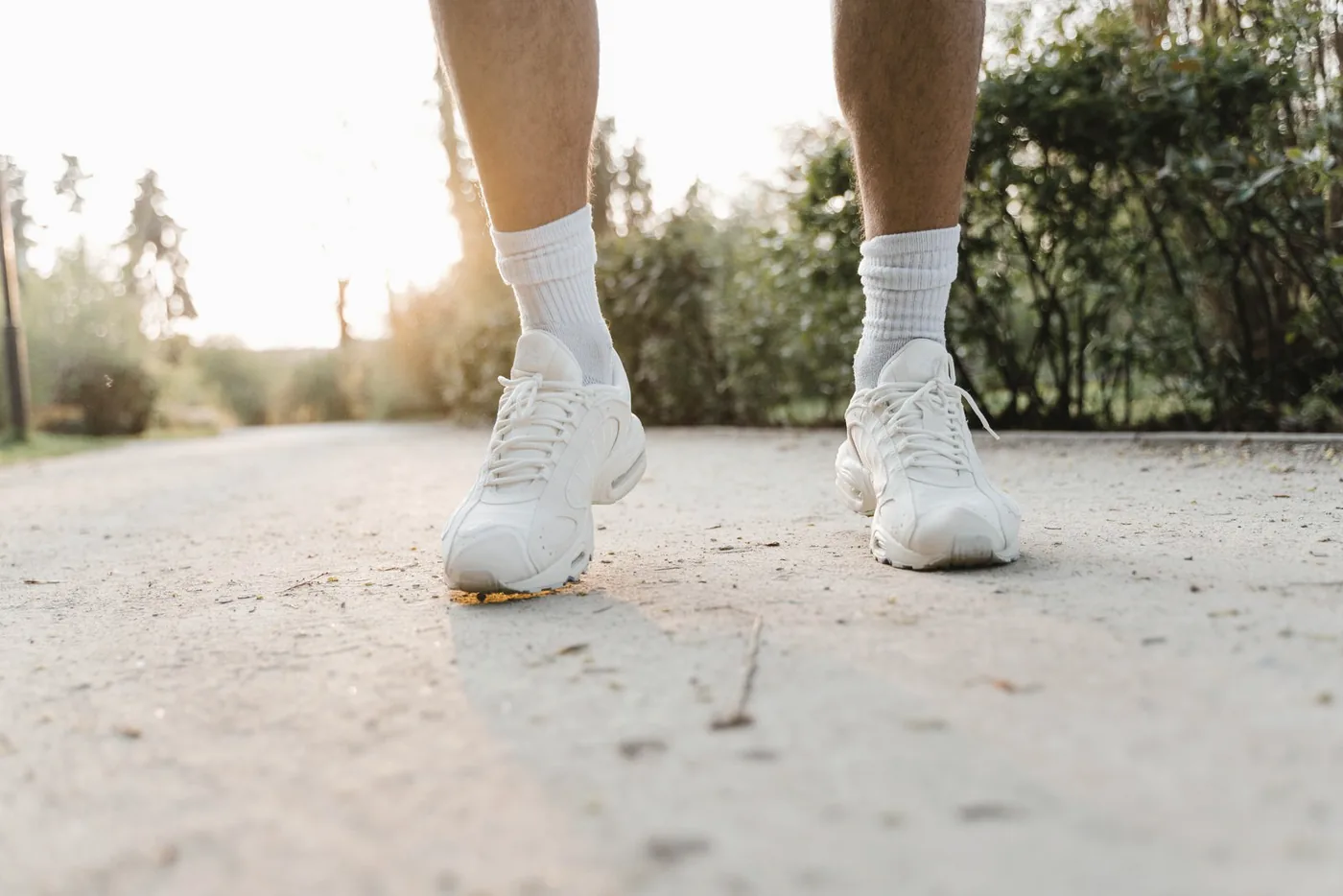
Frailty means less reserve: a small illness or fall can cause a big change. Falls are often preventable. Today: remove loose rugs, add night lights, check footwear, and ask for a falls assessment that includes strength, balance, vision and medications.
01What may change
Before a fall
Look for the quiet risks: poor sleep, dizziness on standing, weak legs, poor vision, loose rugs, medications that cause drowsiness. Strength and balance exercise reduces risk.
After a fall
Check for injury before moving. If there is head injury, hip pain, inability to bear weight, or a blood thinner, call for help. Write down what happened, where, and what they were doing.
Ongoing
Reassess the home, medications, vision and footwear after every fall. Ask for a physiotherapy plan and a review of sedatives or blood pressure medication. Fear of falling can also increase risk; build confidence gradually.
02What helps this week
- Do a room-by-room check: loose rugs, cables, low stools, poor lighting, bathroom grab bars.
- Ask for a falls assessment and a strength/balance programme; practise standing up from a chair with supervision.
- Review medications that cause dizziness or drowsiness with the doctor or pharmacist — do not stop them yourself.
03Skills you will need
Get help now if
- A fall with head injury, especially on a blood thinner — seek urgent assessment.
- Hip or leg pain, or unable to bear weight.
- New confusion, vomiting, or a severe headache after a fall.
- Repeated falls, or fainting.
04Questions to ask
- What caused the fall, and what can we change?
- Can we get a falls assessment and physiotherapy?
- Which medications increase fall risk?
- What is the safest way to get up after a fall?
Questions people ask
Is falling a normal part of aging?
Falls are common but not inevitable. Treat a fall as a signal to assess strength, balance, vision, medications and the home. Most people can reduce their risk with the right plan.
Should they use a cane or walker?
Ask a physiotherapist or OT. The wrong aid can increase risk. They should show the person how to use it and check the height. Do not buy one based only on a shop assistant’s advice.
What should I do if they fall and I cannot lift them?
Do not try to lift alone. Check for injury, keep them warm, call for help, and follow the advice of the emergency dispatcher. If they are uninjured, a trained technique for getting up may be possible — learn it in advance.
Sources
- STEADI: Older Adult Falls Centers for Disease Control and Prevention · Accessed Nov 2026
- Falls Prevention Centers for Disease Control and Prevention · Accessed Nov 2026
- Falls and Falls Prevention National Institute on Aging · Accessed Nov 2026
Was this page helpful?
Thank you. That helps us decide what to improve.
What's carrying the most weight
A short, private check of what care is taking out of you right now. It is not a diagnosis, and it will not tell you to “practice self-care.” It will show you which parts are heaviest, and give you a next step.